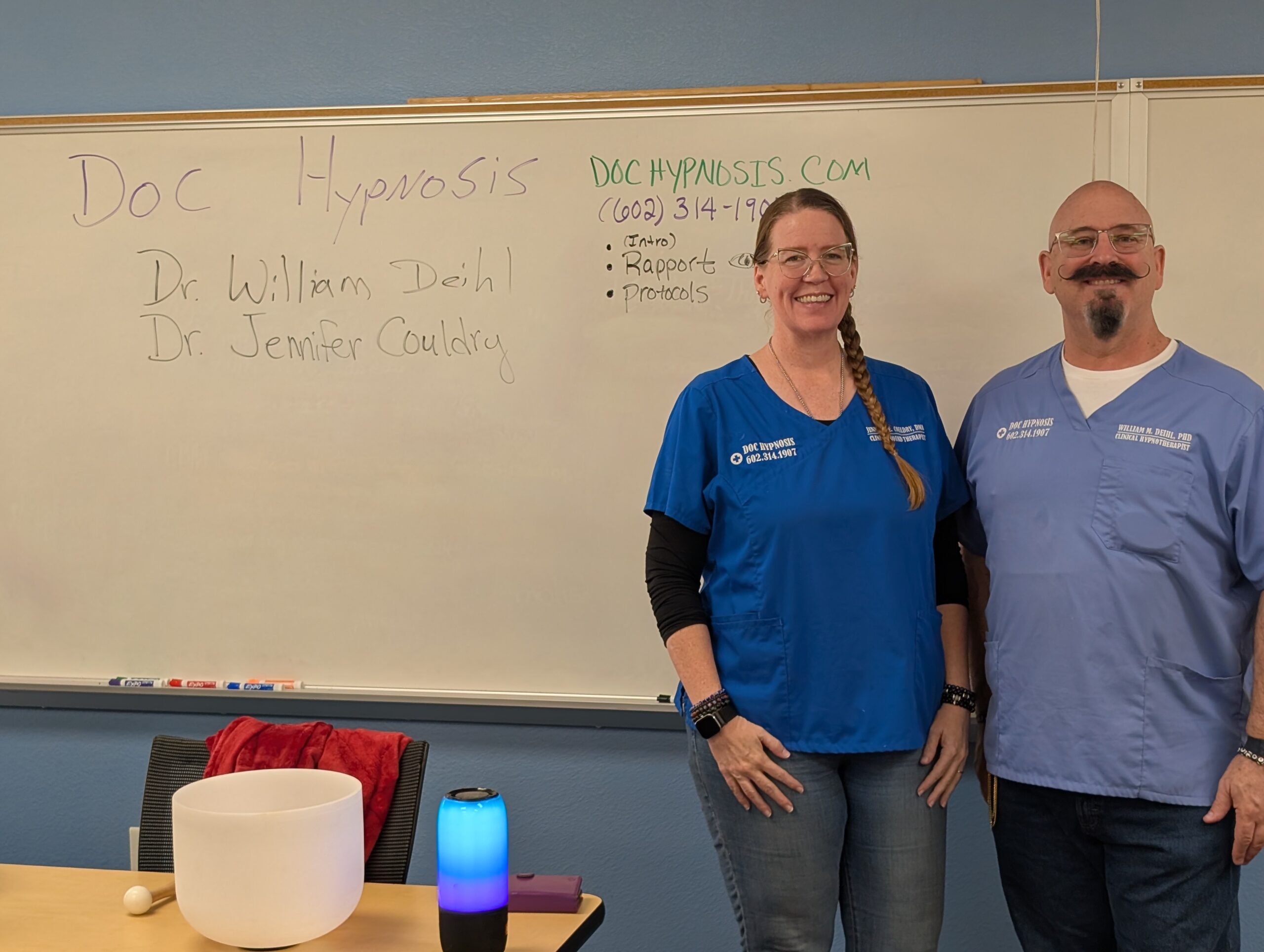
Stress and trauma often leave marks deeper than words can reach. Clinical sound therapy offers a precise, science-based way to reset your nervous system, targeting vagal tone and autonomic regulation for lasting balance. This approach is not about simple relaxation, it uses resonance science and breath physiology to create real shifts in resilience and emotional stability. If you’re ready to move beyond temporary relief, here’s how clinical sound therapy may help you find steady ground again. Learn more about the benefits of sound therapy by visiting this article.
Understanding Clinical Sound Therapy
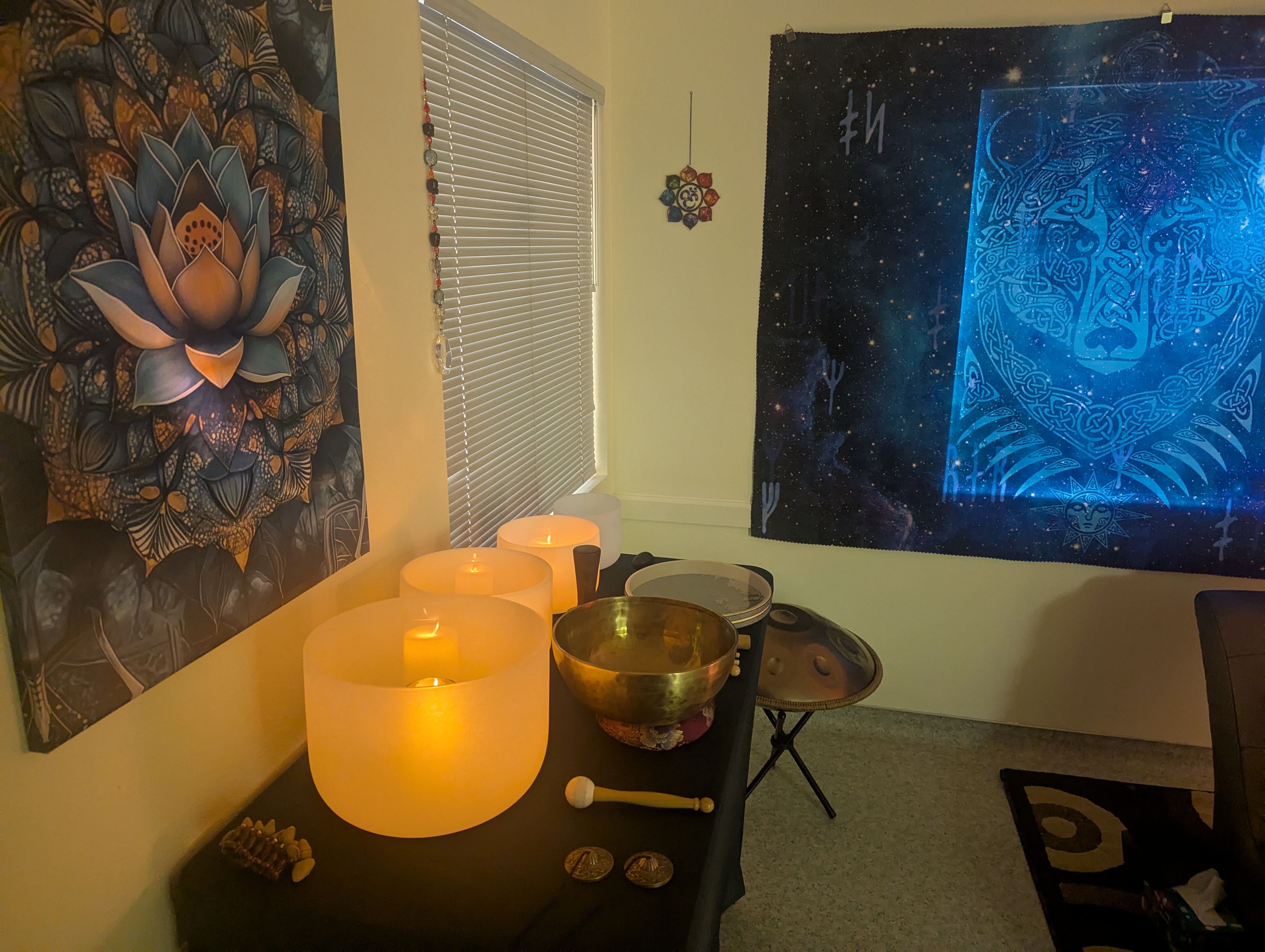
Clinical sound therapy blends science and sound to balance your nervous system. It’s more than relaxation; it’s about real, lasting change. Dive into how this practice works and who it might help.
Science-Informed Nervous System Intervention
At its core, clinical sound therapy focuses on regulating the nervous system. Utilizing Precision Resonance Therapy (PRT), it targets vagal tone and autonomic functions. By doing so, it helps manage chronic stress and anxiety. Unlike traditional therapies, it offers a structured and science-backed approach. Many find this method effective when other therapies haven’t worked. It’s precise, focusing on how sound vibrations can help body and mind reach equilibrium.
Beyond Relaxation: A Deeper Approach
Traditional relaxation techniques only scratch the surface. Clinical sound therapy dives deeper, aiming for more profound shifts. This therapy is about changing how your body responds to stress. By using sound in a targeted way, it helps you build resilience. This approach is particularly beneficial for those who feel stuck in their current state. It addresses underlying issues rather than masking symptoms.
Integrating Resonance Science and Breath Physiology
Combining resonance science with breath physiology creates a powerful therapeutic tool. This integration offers a holistic path to emotional stability. As you engage with this therapy, you’ll notice how breath and sound work together to calm your system. It’s about more than sound; it’s about how you breathe with it. This union forms a comprehensive method that supports lasting change.
Who Benefits from Sound Therapy?

Understanding who can gain from sound therapy is essential. This section explores various groups that might find relief and growth through this unique approach.
Addressing Chronic Stress and Anxiety
If stress and anxiety are constant companions, sound therapy may offer relief. By focusing on vagal tone and autonomic regulation, it helps your body find calm. This therapy can reduce the physical symptoms of anxiety. Many have found that regular sessions lead to improved mood and better stress management. Sound therapy’s ability to address the root causes rather than just the symptoms makes it ideal for long-term change.
Support for Trauma and Grief Recovery
For those dealing with trauma or grief, sound therapy can be a beacon of hope. It offers a safe space to process emotions. By incorporating trauma-informed care, it supports emotional healing. Unlike other methods, it doesn’t rely on talking about the trauma. Instead, it allows sound to guide healing. This can be particularly freeing for those who struggle to express their experiences in words.
Helping High-Functioning Professionals and Caregivers
High-functioning professionals and caregivers often face unique stressors. Sound therapy provides them with tools to maintain balance. It focuses on improving emotional stability and resilience. By addressing both mental and physical stress, it can lead to better performance in professional and caregiving roles. Many find that the structured nature of this therapy fits well with their busy schedules, offering both relief and empowerment.
Personalized Therapy Pathways
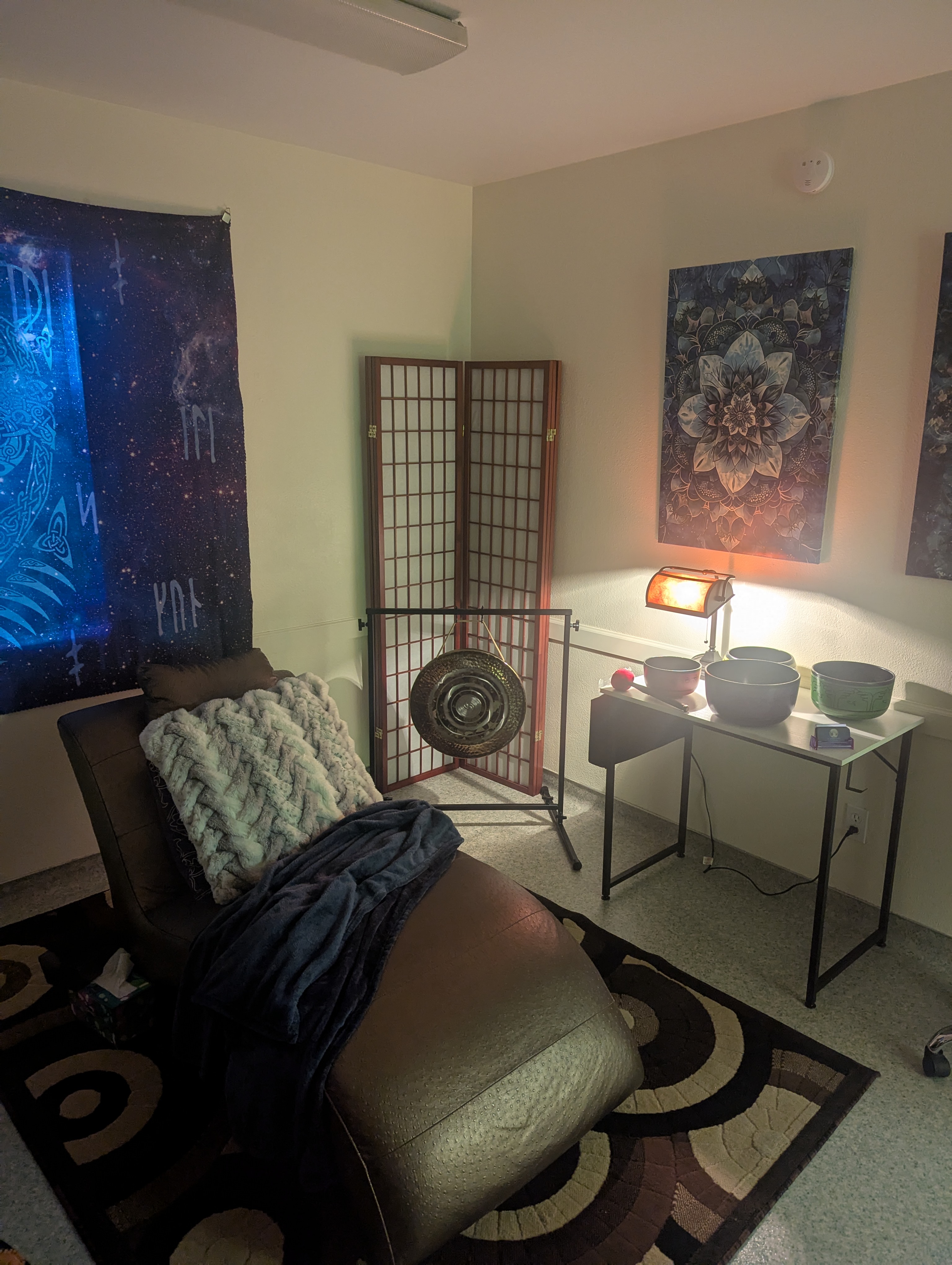
Explore how personalized pathways can enhance your healing journey. With tailored approaches, sound therapy becomes a powerful tool for individual growth.
Integrating Hypnotherapy and IEMT for Deeper Change
Real change happens when you work at the level where patterns are created and stored. Combining hypnotherapy with Integral Eye Movement Therapy (IEMT) offers a powerful, neuroscience-informed approach to transformation.
Hypnotherapy allows you to access the subconscious mind—the place where habits, emotional responses, and beliefs are formed. IEMT works alongside this by helping to rapidly clear the emotional imprint tied to past experiences, often without needing to relive them in detail.
Together, these approaches don’t just manage symptoms. They help resolve the underlying patterns that keep people stuck. This creates a more complete and lasting shift—one that addresses both the emotional charge from the past and the automatic responses happening in the present.
Virtual and In-Person Sessions in Phoenix
Whether you are here in Phoenix or joining from somewhere else, this work is accessible to you.
Virtual sessions allow you to experience the full benefits of hypnotherapy and IEMT from the comfort of your own space, making it easy to stay consistent and engaged in the process.
For those who prefer an in-person experience, sessions at our Phoenix office offer a more immersive environment, with the added benefit of hands-on integration and, when appropriate, clinical sound therapy to support nervous system regulation.
Both options are designed to meet you where you are, with a personalized approach that fits your needs and your life.
More Than Relief—Real, Lasting Change
This work is not about temporary relief or surface-level coping. It is about creating meaningful, lasting change at the root level.
By combining hypnotherapy, IEMT, and when appropriate, clinical sound therapy, we help you move beyond old patterns and into a state where change feels natural, not forced.
If you are ready to experience a different way of working with your mind and your nervous system, this may be the path forward.