
What neuroscience is teaching us about childhood trauma and the nervous system
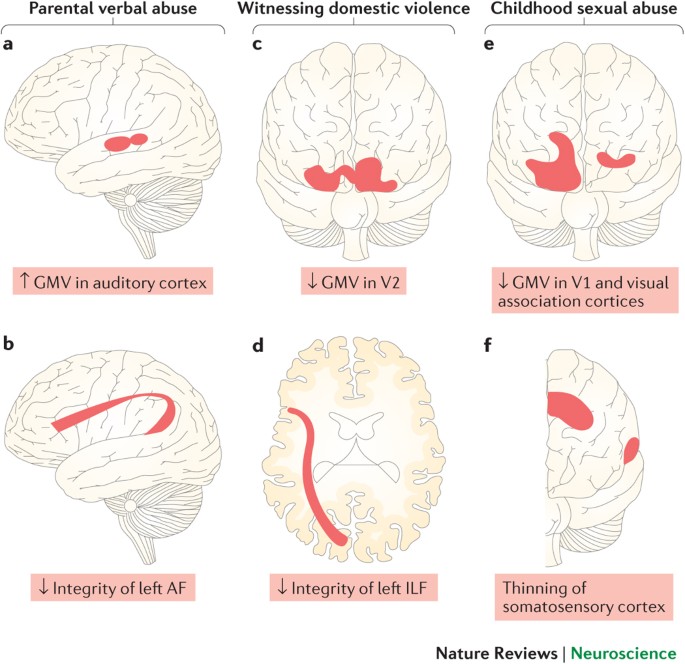

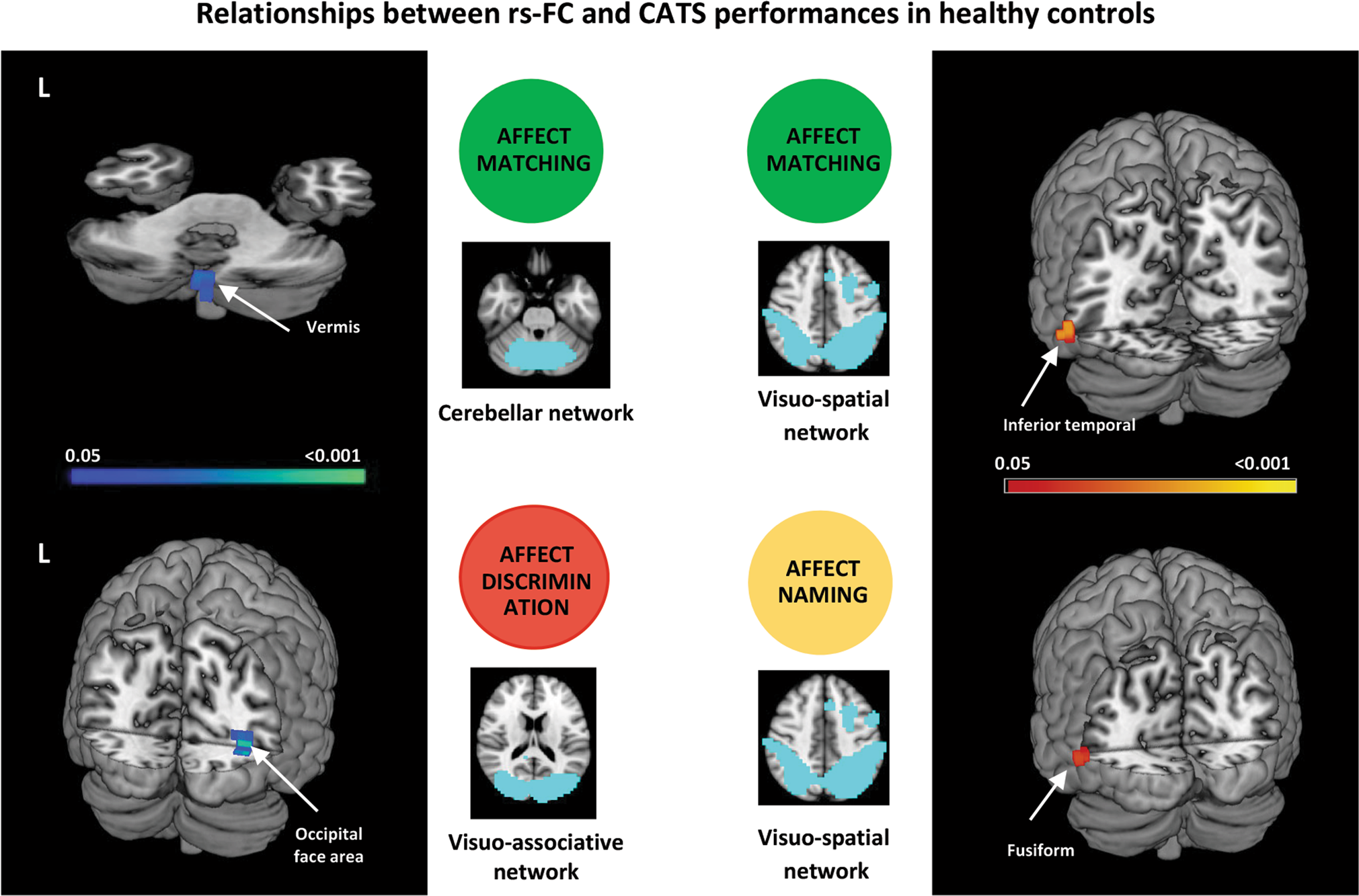
Introduction: How Early Environments Shape the Brain
One of the most meaningful insights emerging from modern neuroscience is that the brain is not simply a passive organ that records our experiences. It is a dynamic system that continuously adapts to the environment around it. Especially during childhood, the brain is learning what kind of world it lives in. Is it safe? Is it unpredictable? Is danger likely to appear suddenly?
A study that has stayed with me recently explored this question in a powerful way. Researchers discovered that children who grow up in environments where family violence occurs can show patterns of brain activity remarkably similar to those observed in combat soldiers.
The research was conducted by neuroscientist and clinical psychologist Eamon McCrory and colleagues and published in the journal Current Biology. Using functional MRI scans, the team examined how children process emotional signals in their environment.
The Study: How Children Process Emotional Threat
The study involved forty-three children with an average age of twelve. Twenty of those children had experienced documented violence in the home, while twenty-three had not and served as a comparison group. While inside the scanner, the children were shown photographs of faces expressing different emotions such as sadness, calmness, and anger. The researchers were interested in how the brain interpreted these emotional cues.
What they discovered was striking. When children who had experienced family violence viewed angry faces, two specific areas of the brain showed heightened activity. These regions were the amygdala and the anterior insula, both of which play central roles in detecting potential threats and interpreting emotional signals from the environment.
The Brain’s Threat Detection System
The amygdala is often described as the brain’s alarm system. It helps the nervous system quickly detect danger and initiate protective responses. The anterior insula contributes to how we sense and interpret internal emotional states. Together, these systems help the brain determine when something may be unsafe.
Previous brain imaging studies of soldiers exposed to combat environments have shown similar patterns of activation in these same regions. The brain becomes highly sensitive to cues that may signal danger. In many ways, it is a system designed for survival. When the nervous system repeatedly encounters threat, it becomes better at detecting it.
For a child living in a home where anger or violence may appear unexpectedly, this adaptation can make sense. The brain learns to pay very close attention to subtle shifts in tone, expression, or emotional intensity. A raised voice or an angry face may signal that something important is about to happen. Heightened awareness becomes a protective skill.
From a neuroscience perspective, this response is not a flaw in the system. It is an adaptation to the environment. The nervous system is doing exactly what it is designed to do: learning how to survive.
Trauma Isn’t Always Visible
One of the most remarkable aspects of the research is that the children in the study were considered healthy. None of them had been diagnosed with a psychiatric condition. Yet their brain scans revealed measurable differences in how their emotional systems processed potential threat.
This finding highlights something that many clinicians and researchers have been recognizing more clearly in recent years. Experiences of early stress can shape the nervous system in ways that are not always immediately visible. The brain quietly learns patterns of vigilance and protection that may remain present long after the original environment has changed.
Later in life, these adaptations can sometimes appear as anxiety, hypervigilance, difficulty relaxing, sleep disruption, or a persistent sense of being on edge. From the outside, these experiences can feel confusing or frustrating. People may wonder why their nervous system reacts so strongly even when they know logically that they are safe.
When viewed through the lens of neuroscience, however, these reactions begin to make more sense. They are often the result of a nervous system that learned early on that the world required constant awareness.
The Role of Resilience and Neuroplasticity
At the same time, this research also carries an important message of hope. Not every child who grows up in difficult circumstances develops long-term psychological challenges. Many individuals demonstrate remarkable resilience and go on to lead healthy, meaningful lives. Scientists are increasingly interested in understanding the factors that help the brain recover and reorganize after early adversity.
One of the most encouraging discoveries in neuroscience is the concept of neuroplasticity. The brain remains capable of change throughout life. Neural pathways can reorganize. Patterns that were once shaped by survival can gradually shift toward patterns of safety and regulation.
Why Nervous System–Focused Healing Matters
This is one of the reasons why nervous system–focused approaches to healing have gained increasing attention in recent years. When the body has spent long periods of time in survival mode, the nervous system often benefits from experiences that help it rediscover what safety feels like again.
At Soul Echo Therapy, much of our work centers on this process of nervous system restoration. Approaches such as clinical sound therapy, breath and resonance work, and other regulation-based practices focus on helping the body experience states of calm and coherence. Rather than only working at the level of thoughts, these approaches engage the deeper physiological systems that influence how the brain interprets safety and threat.
Sound, rhythm, and resonance interact directly with the nervous system. Certain frequencies and patterns can support shifts in breathing, heart rate variability, and emotional regulation. Over time, repeated experiences of safety allow the brain to update its internal expectations about the world.
The nervous system that once learned to scan constantly for danger can begin to soften. Vigilance slowly gives way to regulation. The body begins to experience what it feels like to rest.
A Final Thought: The Nervous System Was Trying to Protect You
Research like the work of Eamon McCrory reminds us that trauma is not only a psychological story. It is also a biological experience that shapes how the brain and nervous system interpret the world. But it also reminds us that these systems are not fixed. They remain responsive to new experiences throughout life.
Sometimes the first step toward healing is understanding that the nervous system was never broken. It was responding to the conditions it encountered. With the right support, the same brain that once learned to detect danger can gradually learn something new, that safety, regulation, and restoration are possible.
References
McCrory, E. J., De Brito, S. A., Sebastian, C. L., Mechelli, A., Bird, G., Kelly, P. A., & Viding, E. (2011). Heightened neural reactivity to threat in child victims of family violence. Current Biology.
International Association for the Study of Pain. fMRI brain scan impact of physical abuse on children. https://www.iasp-pain.org/publications/relief-news/article/fmri-brain-scan-impact-of-physical-abuse-on-children/