Burnout and chronic stress hit your nervous system hard, leaving you drained and disconnected. Clinical sound therapy offers a precise way to restore balance, improving vagal tone and calming autonomic responses. At Soul Echo Therapy, this evidence-informed approach supports emotional healing through nervous system regulation tailored just for you. Keep reading to learn how this science-backed method can guide you toward lasting relief and resilience. For more information on sound therapy, you can visit this article.
The Science of Sound Therapy

Clinical sound therapy offers a transformative path to healing through the power of sound. Let’s explore how this unique approach can help you.
Understanding Clinical Sound Therapy
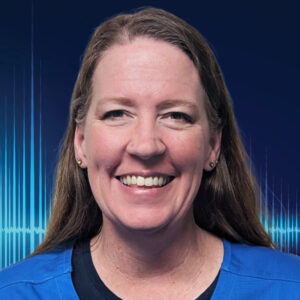
Imagine a therapy that leverages sound to calm and heal. Clinical sound therapy does just that. It uses specific frequencies to interact with your body. This isn’t just music; it’s a structured intervention. Dr. Jennifer Couldry, a leader in this field, combines her expertise in sound with therapeutic techniques. By doing so, she helps you achieve real, lasting change.
Sound therapy isn’t based on guesswork. It’s grounded in science and research. Health experts have noted its benefits for mental health. For more insights, check out this study on sound therapy.
How Resonance Affects the Nervous System
Resonance is more than a buzzword. It’s the way sound waves interact with your body. When these waves enter your system, they can shift your state from stress to calm. This shift promotes healing by regulating your nervous system. It’s like tuning an instrument; resonance helps bring your body into harmony.
Most people think sound therapy is just about relaxation. But the truth is, it goes much deeper. It can change how your brain works, promoting better focus and calm.
The Role of Vagal Tone in Healing
Vagal tone plays a crucial role in your well-being. It influences how your body responds to stress. Higher vagal tone means better heart rate, digestion, and mood. Clinical sound therapy targets this important aspect of your health.
By improving vagal tone, you strengthen your body’s resilience. This is especially important for those dealing with chronic stress or anxiety. With a regulated nervous system, you can face challenges with greater ease.
Techniques for Emotional Healing
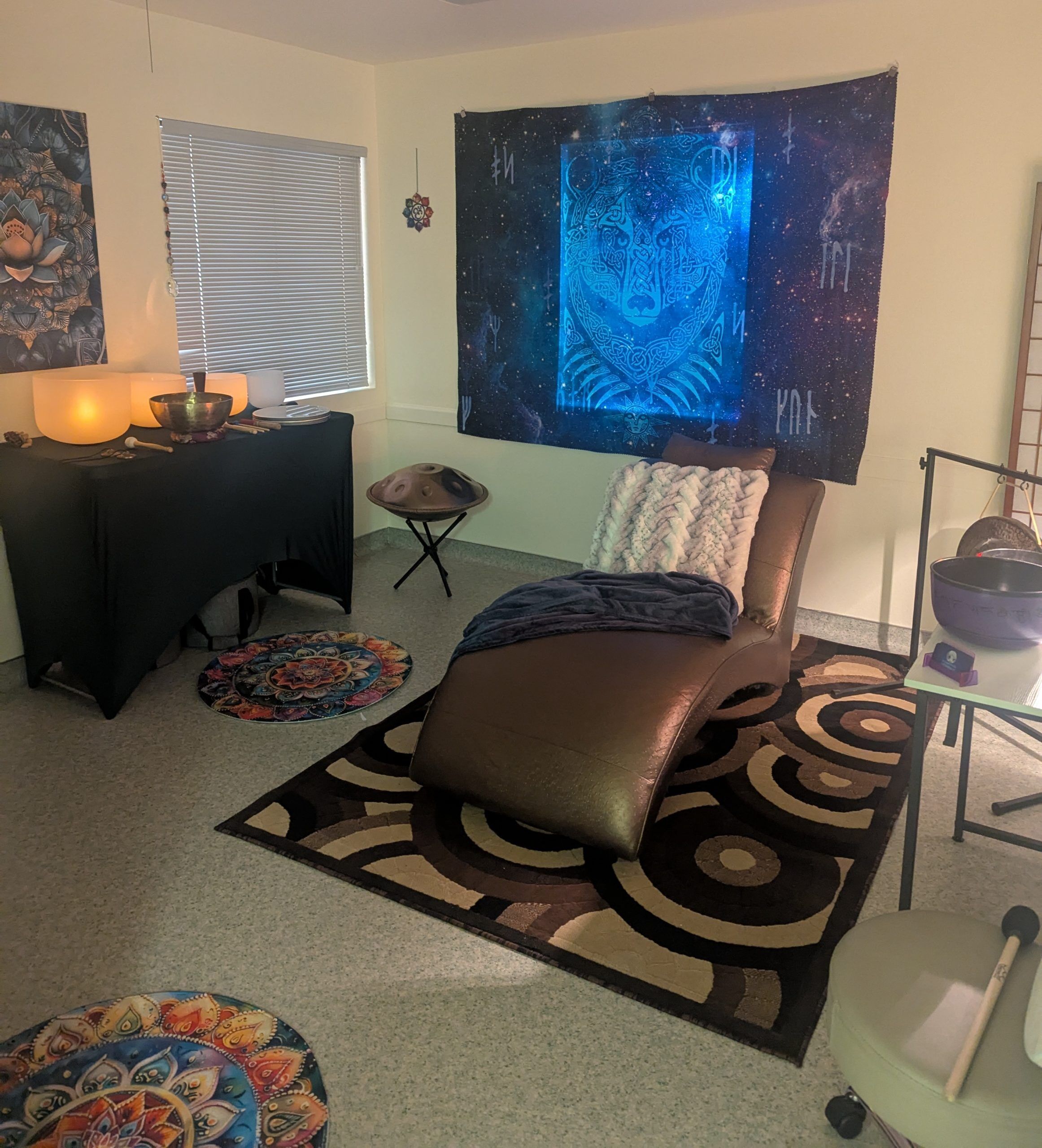
Moving beyond the science, let’s dive into the techniques that make sound therapy a powerful tool for emotional healing.
Breath Physiology and Sound
Breath and sound work together to create a powerful healing effect. By focusing on your breath, you can enhance the impact of sound therapy. This combination helps regulate your nervous system, leading to calmer states.
Dr. Couldry integrates breath physiology in her practice. Each session is tailored to your needs, ensuring you get the most benefit. Breathing deeply while listening to specific frequencies can unlock new levels of relaxation.
Integrating Hypnotherapy and EMDR-Informed Methods
Sound therapy isn’t the only tool in our kit. Hypnotherapy and EMDR-informed methods work alongside to enhance your healing process. These techniques help reprocess distressing emotions and memories.
Hypnotherapy taps into your subconscious, allowing you to reframe old beliefs. EMDR helps you process memories so they no longer hold power over you. Combining these with sound therapy offers a holistic approach to healing.
For a deeper understanding of how these therapies work together, visit this resource.
IEMT and Precision Resonance Therapy
Integral Eye Movement Therapy (IEMT) and Precision Resonance Therapy (PRT) are key components of our approach. IEMT helps recode emotional imprints that cause distress. PRT uses sound to target specific areas for healing.
These methods are designed to address the root of emotional issues. They offer a gentle, non-invasive way to bring about change. Instead of masking symptoms, they help you achieve true emotional resilience.
Personalized Care and Benefits

The real power of our approach lies in its personalization. We tailor every aspect of therapy to fit your unique needs and challenges.
Nervous System Mapping Explained
To provide the best care, we begin with nervous system mapping. This process helps us understand your unique stress patterns. By identifying these, we can tailor therapy to address specific issues.
This isn’t a one-size-fits-all approach. Each session is designed to meet you where you are. With mapped insights, we guide you toward better regulation and healing.
Addressing Burnout and High-Functioning Anxiety
Burnout and anxiety can feel overwhelming. But they don’t have to control your life. Through clinical sound therapy, you can regain a sense of balance. Our methods are particularly effective for those with high-functioning anxiety.
By focusing on nervous system regulation, we address the root causes of stress. This leads to lasting relief, not just temporary fixes. Imagine feeling more at ease and in control, even in stressful situations.
The Promise of Trauma-Informed Care
Our approach is trauma-informed, meaning we prioritize your safety and comfort. We understand the impact of trauma and design our sessions with this in mind. This ensures that therapy supports healing without triggering past wounds.
With compassionate care and evidence-backed methods, we help you build resilience and emotional strength. You deserve to feel hopeful and empowered on your healing journey.
In conclusion, clinical sound therapy offers a path to healing that is grounded in science and tailored to you. If you’re ready to explore this transformative approach, consider reaching out for a personalized assessment. With the right support, lasting relief and resilience are within reach.